


Bingo Quest: Summer Adventure
4.77.36K Reviews
App Specs
- Version
- 999
- Updated On
- License
- Free
- Downloads
- 5,000,000+
- Developer
- FGL Casual Match-3 and Bingo Games
- Categories
- Board
- Platform
- Android
Screenshots

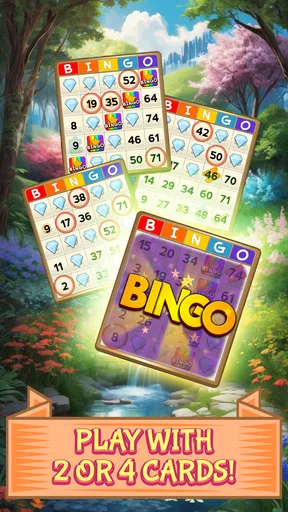
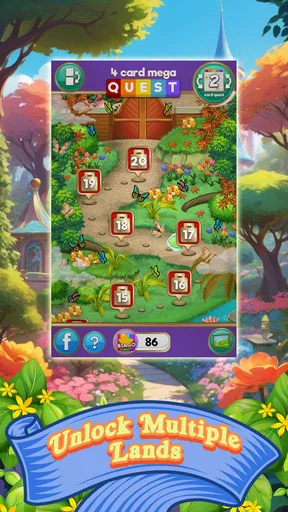



 Analysis by AppCompare
I approached Bingo Quest: Summer Adventure expecting a familiar bingo pastime with a light seasonal theme, and that is exactly where its appeal begins. This is a free board game from FGL Casual Match-3 and Bingo Games, built for short bursts rather than long, demanding play sessions. The basic pleasure is immediate: start a board, watch the called numbers, mark the matching spaces, and keep an eye on the pattern you need to complete. It is easy to understand within moments, but the surrounding quest structure gives each round a little more purpose than a completely standalone bingo card.
What makes the game worth discussing is not a complicated rule set. It is the rhythm around that rule set. I take an action, receive quick visual confirmation, work toward a reward, and then decide whether the next board is worth starting. That repeatable cycle is the real product. If you want a relaxed game for a coffee break, a waiting room, or a few minutes before bed, it fits naturally. If you need deep strategy, competitive pressure, or a large amount of control over every move, its simplicity may feel limiting.
How the board turns a simple action into a playable loop
I find the board’s appeal lies in how it turns each called number into a small, readable decision: check the spaces, notice whether the current goal is closer, and choose whether to keep your attention on the round. That makes the game easy to fit into a brief pause, but it also means the experience depends on enjoying steady progress more than making complex moves. From there, the useful question is what helps that simple loop feel smooth in everyday play.
The first action is clear, quick, and low-pressure
The first thing I like about the experience is how little preparation it demands. Bingo is already familiar to most players, so the game does not need to teach a complicated system before becoming enjoyable. I can move into a board, watch for the called number, and mark the corresponding space. That direct connection between what appears and what I do gives the game a comfortable pace from the beginning.
That matters on a phone. A board game that asks me to remember several rules, manage a large inventory, or plan multiple turns ahead is better suited to a longer session. Here, the opening action is much lighter. I can play while taking a short break without feeling that I have forgotten an important setup step. The summer-adventure presentation gives the familiar format a more cheerful setting, but the heart of the experience remains the recognizable bingo process.
My practical advice is to treat each board as a focused mini-session. I get more from the game when I pay attention to the current pattern instead of tapping automatically whenever a number appears. The useful decision is not usually “what is the most complex move?” but “which marked spaces bring me closer to the board’s immediate goal?” That small change in attention makes the round feel more active, even though the underlying rules stay approachable.
Fast feedback keeps the middle of a round moving
The strongest part of the loop is the feedback rhythm. A called number either helps my board or does not, and that result is easy to understand. When it helps, progress becomes visible. When it does not, I wait for the next opportunity. This creates a gentle tension without turning the game into something stressful.
Worth Reading Before You Choose

EA SPORTS FC Mobile 26 Is a Bigger Football Game, but It Takes Time

Flipboard Shows What News Apps Must Do Beyond the Feed

Switching to Android Auto Means Rethinking Your Driving Routine

Google Calendar Makes a Crowded Week Easier to Manage

Ludo King Makes the Most of the Minutes Between Plans

Baby Panda World Brings Quick Play to Modern Phones, but Its Game Library Feels Busy
I found that the game works best when I want a steady stream of small confirmations rather than one dramatic decision. Each useful call gives me a reason to keep watching, while an unhelpful call creates a short pause instead of a serious setback. The result is a relaxed form of anticipation. I am not building a complicated strategy tree; I am tracking the board, noticing what has changed, and waiting for the next favorable moment.
That rhythm also explains why the game is suitable for casual players. Someone who rarely plays mobile games can understand the immediate objective, while someone familiar with bingo can settle into the pace without being slowed down by excessive explanation. The trade-off is that experienced board-game players may eventually find the decisions predictable. The satisfaction comes from progression and repetition, not from discovering a new tactical system every round.
Rewards give the next call a purpose
A bingo round would be perfectly understandable on its own, but the quest framing gives the action a destination. Completing progress on a board feels more meaningful when it contributes to a broader summer journey instead of ending with a single isolated result. That larger framing is important because it answers the question many simple casual games face: why start another round?
For me, the answer is partly the reward and partly the feeling of moving through a sequence. I am not only marking spaces; I am trying to finish the current objective and see what follows. This is a useful design choice for players who enjoy light progression but do not want the pressure of a competitive leaderboard or a demanding campaign. The game lets the familiar bingo action carry a little forward momentum.
There is also a practical way to use this structure. I would play one board with a specific stopping point in mind, such as completing the current goal or reaching a natural break in the journey. That prevents the repetition from becoming mindless. If I continue only because the next round starts automatically in my head, the loop can feel thin. If I use the quest as a small checkpoint, each session feels more deliberate.
The reset is the reason the game can fit everyday life
After a round ends, the experience can return to its basic promise: another board, another set of calls, another chance to make progress. This reset is not a weakness by itself. It is what makes the game easy to pick up again after a few minutes away. I do not need to remember a complicated story or reconstruct a long-term plan before playing again.
A realistic use case is a short afternoon pause. I might open the game while waiting for an appointment, complete part of a board, and stop without feeling that I have abandoned a large commitment. Later, I can return when I want a similarly undemanding activity. The reset supports that pattern better than a traditional strategy board game, where stopping halfway through can leave the whole experience unresolved.
However, the same reset can expose the game’s limits. Players who want every round to feel substantially different may find the repeated bingo structure too familiar. The summer setting changes the mood, and the quest layer gives the rounds a reason to continue, but neither replaces genuinely varied rules. I would not choose this as my main game if I wanted evolving tactics, complex opponents, or a campaign built around major surprises.
Why another session begins
The next session begins when the previous one leaves me close enough to a goal that finishing it feels attractive. That is the most convincing part of the design. The game does not need to make every board revolutionary; it needs to make the next small step feel worthwhile. When I am in the mood for a calm activity, that is enough.
At the same time, I think the loop works better for players who enjoy repetition with a visible destination. If I need constant novelty, the reason to continue weakens quickly. This is not a criticism of the core idea so much as a clear boundary. Bingo Quest: Summer Adventure is built around a dependable cycle, and its success depends on whether that cycle matches my mood.
Where it sits among casual board games
Compared with a physical bingo game, this version is more convenient because the board, calls, and progress are handled on the phone. I do not need other players nearby or a host organizing the round. That makes it useful for solo downtime. The cost of that convenience is that the social energy of calling numbers with friends is not the main attraction here.
Compared with classic digital board games, it is less about moving pieces around a shared map and more about watching for opportunities on a fixed board. Compared with match-three games, it offers less control over creating combinations and more anticipation around the next call. Those differences help me decide when to use it: I open this game when I want a slower, more observant activity, not when I want rapid problem-solving or constant tapping.
The developer, FGL Casual Match-3 and Bingo Games, places the game in a space that combines an accessible board format with casual progression. The store summary presents it as a summer journey through classic bingo-style board games, and that description matches the overall tone without needing the game to become more complicated than it is.
What the audience size tells me
The game has a 4.7 average from around 54 thousand ratings, with roughly 7.4 thousand written reviews and over 5 million installs. Those figures suggest that the straightforward format has found a substantial audience. I would not treat popularity as proof that every player will enjoy it, but it does support the idea that the game is easy to approach and has a durable casual appeal.
Its Everyone content rating also fits the gentle presentation and uncomplicated premise. I would feel comfortable suggesting it to someone looking for a family-friendly board game, while still explaining that the experience is primarily designed around repetition and light progression rather than rich multiplayer interaction or serious strategic depth.
Free to start, with a point to watch
The game is free to download, which makes trying the loop straightforward. There are in-app purchases priced at $1.99 per item, so I would approach the optional spending with a simple rule: play normally first and decide later whether any purchase genuinely improves the way you want to use the game. Because the core attraction is the repeating board cycle, spending is not automatically necessary for someone who only wants occasional entertainment.
This is also where I would be careful with younger players. The Everyone rating makes the content approachable, but a free game with in-app purchases still deserves sensible device controls when children are using it. For an adult, the main consideration is whether the purchase path adds useful convenience or merely encourages continuing after the session has naturally run its course.
Device compatibility and the current build
The game requires Android 6.0 or newer, so it remains accessible on many older Android devices that are not running the latest software. That is useful for a simple board game because the audience is not forced toward a recent phone just to try a low-demand format. I would still keep expectations realistic: compatibility does not guarantee identical performance on every device, and the overall experience is best judged on the phone you plan to use regularly.
The current version is 999, which indicates that the installed build is identified by a high version number. I would focus less on that label and more on whether the game feels comfortable on my device, whether the board is easy to read, and whether the progression suits my preferred session length. For this type of game, clarity and responsiveness matter more to me than a version number by itself.
Small habits that improve the experience
My first useful habit is to slow down just enough to identify the board’s immediate target before tapping through a round. The game is simple, but rushing can turn the board into background noise. I get a better sense of progress when I notice which spaces are already helping and which calls are still valuable.
My second habit is to use the reset as a stopping tool rather than assuming every new board deserves immediate attention. If I have finished a natural objective, I can close the game and return later. This keeps the experience refreshing and prevents the gentle loop from becoming a chore.
My third insight is to compare it with my actual mood, not with the most impressive board game on my phone. When I want agency, I choose a match-three game. When I want social competition, I choose a multiplayer board game. When I want a quiet, low-commitment activity with visible progress, this bingo journey makes more sense. That is a more honest way to judge it than expecting one casual title to cover every kind of entertainment.
Who should install it, and who should skip it
I would recommend it to players who already enjoy bingo, people who like seasonal casual games, and anyone looking for a board experience that can be played in short intervals. It is especially suitable for someone who wants a clear first action, frequent progress feedback, and a reason to begin another round without learning a complicated system.
I would skip it if my priority is strategic variety, direct competition, social play, or a story that changes substantially from session to session. I would also look elsewhere if repeated number calls and board marking sound tedious rather than relaxing. A different board game will be a better choice when I want movement, negotiation, tactical planning, or a strong sense of player control.
My verdict on the complete loop
Bingo Quest: Summer Adventure succeeds because it understands the modest pleasure it is offering. I make a clear first move, receive readable feedback, work toward a reward, finish a board, and see a natural reason to continue. None of those steps is revolutionary, but together they create a dependable casual routine.
My honest view is that the game is best enjoyed in small portions. Its free entry, Everyone rating, broad Android compatibility, and familiar board format make it easy to recommend to the right person. The limitation is equally clear: once the novelty of the summer journey settles, the repeating bingo structure has to carry the experience. For me, that is enough when I want calm, uncomplicated entertainment. It is not enough when I am searching for deep strategy or constant surprise.
The loop verdict is simple: choose this game for relaxed, goal-oriented bingo sessions, not for a demanding board-game challenge. When that expectation matches what I want from my phone, the next round feels inviting rather than forced, and the game earns its place as a convenient little break.
Pros
- Bright summer-themed visuals make each level feel cheerful and inviting.
- Short rounds fit well into quick breaks or casual mobile sessions.
- Progression rewards encourage regular play without requiring long sessions.
- Simple controls make the game accessible to players of different ages.
- Relaxing gameplay offers a low-pressure alternative to competitive bingo apps.
Cons
- Some levels may feel repetitive once the initial novelty wears off.
- Progress can become slower as challenges and goals gradually increase.
- Frequent reward prompts may interrupt the flow of a relaxed game.
- The colorful interface can feel busy on smaller phone screens.
- Players seeking deep strategy may find the gameplay relatively lightweight.
FAQs for Bingo Quest: Summer Adventure
What is Bingo Quest: Summer Adventure?
Bingo Quest: Summer Adventure is a casual bingo game with a bright summer-themed presentation and a progression-focused adventure structure. Instead of playing only isolated bingo rounds, you usually move through different locations, complete levels, and work toward rewards as you advance. It is designed for quick sessions, making it suitable for players who enjoy relaxed games with simple rules, collectible content, and a light vacation atmosphere.
How do you play Bingo Quest: Summer Adventure?
The main gameplay is based on completing bingo cards by marking called numbers and achieving the objective shown for each level. Before or during a round, the game may provide boosters, extra cards, or other tools that help you finish more efficiently. Success often depends on managing available resources and choosing when to use special items, rather than relying only on speed. The controls are straightforward and generally easy to learn.
Is Bingo Quest: Summer Adventure free to download and play?
Bingo Quest: Summer Adventure can generally be downloaded without an upfront purchase, but free access may include optional in-app purchases. These purchases can be used for extra plays, boosters, currency, or other convenience features, depending on the current version. Players who do not want to spend money should review the device’s purchase settings and remember that progress may sometimes be limited by waiting systems or finite resources.
Does Bingo Quest: Summer Adventure require an internet connection?
An internet connection may be needed for parts of Bingo Quest: Summer Adventure, especially when loading advertisements, synchronizing progress, receiving events, or processing purchases. Some gameplay elements might work temporarily without a connection, but offline availability can vary by device and version. For the most reliable experience, it is best to launch the game while connected to Wi-Fi or mobile data and keep the app updated.
Is Bingo Quest: Summer Adventure suitable for children and casual players?
The bingo mechanics are simple enough for casual players and beginners, while the level progression and rewards give regular players reasons to continue. However, parents should check the game’s age rating, advertising, privacy information, and in-app purchase options before allowing children to play. Because bingo-style games can include repeated reward loops and optional spending, parental controls are recommended for younger users, even though the core gameplay is easy to understand.


